

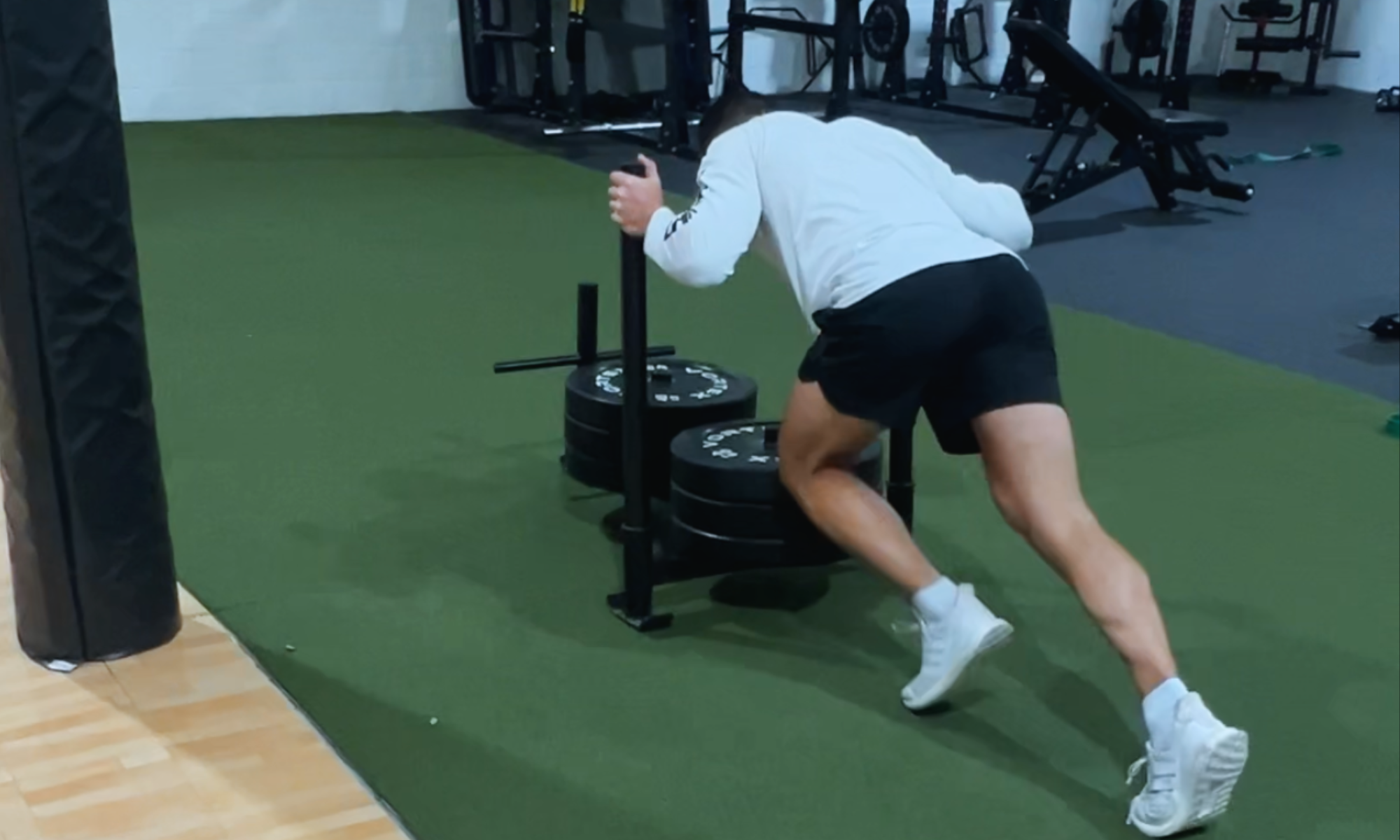
This is a tougher conversation for most people to grasp, and I end up having this conversation more than any other when it comes to actually locking in on your goals.
A parent reaches out and tells me they're serious about their kid's development. They're invested. They want to do what it takes. And I believe them. The intention is genuine. Then we sit down and actually look at the schedule, and the picture tells a different story.
Two to four extra sport-specific sessions a week on top of team practices and games, and maybe one strength and conditioning session, if it fits. And the parent genuinely believes they are doing everything right because they are spending money, the calendar is full, and they are addressing everything their athlete needs.
The calendar being full is not the same thing as the calendar being effective. And that distinction is costing athletes their development, their longevity, and in many cases, their opportunity.
Skill work is important, and there are times throughout the year it should be more of a priority, and then times where it should be redirected. So let's get into it.
What parents are actually buying versus what athletes actually need
The youth sports industry is enormous. Private coaches, skill trainers, position-specific camps, sport-specific academies, specialized speed and agility programs with a fancy name and a high price tag. All of it is marketed directly to parents who want the best for their kids and are willing to pay for it.
I'm not here to tell you that skill development doesn't matter. It does. But here's what I see consistently: families are overinvesting in skill and sport-specific work while dramatically underinvesting in the physical foundation that makes all of that skill work actually stick. And the reason is straightforward: skill sessions are easy to see and feel. Your kid touches the ball more. They do the drills. They leave feeling like something happened. Athletic development is harder to see in the short term, even though it's what changes everything in the long term.
Every coach running a skill program wants to keep your athlete in their ecosystem. That's not a criticism, it's just how the business works. But it means the responsibility of building a balanced plan falls on the family. And most families don't have anyone telling them what that balance should actually look like, or they're trying to instill in their kid what worked for them when they were young. It's 2026. Times have changed. Kids are more athletic, they play more year-round, movements and activity carry higher costs on their bodies than they used to. The old school mentality of just grinding through isn't smart anymore. There are times to toughen up and push through. There are also times when making smarter decisions is the right call, and knowing the difference is what good development actually looks like.
What the schedule actually looks like versus what it should look like
WHAT I TYPICALLY SEE
2 to 4 sport-specific or skill sessions per week (High volume)
1 to 5 games/week or weekend depending on time of year (Competition load)
1 to 3 team practices (Competition load)
1 strength and conditioning session per week (Minimal)
0 to 1 intentional recovery days (Unplanned)
WHAT ACTUALLY PRODUCES DEVELOPMENT
2 to 3 athletic development sessions per week (Strength, speed, power)
2 maybe 3 extra skill or sport-specific sessions per week (Frequency adjusts to game and practice load that week)
Multiple Games and 1-3 team practices as scheduled (Competition load)
2 intentional recovery days (Non-negotiable)
The difference between those two schedules isn't a small adjustment. It's a fundamentally different philosophy about what actually builds an athlete, and the research consistently supports the second one.
Now keep in mind, when we talk about skills sessions, we are talking about extra sessions with another qualified coach or trainer for your sport specifically. You need to be constantly be refining and working on the nuances of your sport, but investing another hour or 2, expending more energy when you don’t recover enough, can be used in a more productive way to address other priorities that are also important.
What the research says about overloading sport-specific work
Early sport specialization and excessive sport-specific volume have been studied extensively, and the findings are consistent. Athletes who train year-round in one sport with minimal athletic development work face significantly higher injury risk, higher burnout rates, and in many cases, shorter careers than their peers who built a broader physical foundation first.
3.76x
Higher burnout rate in athletes specializing before age 12 vs. after age 15
Later
Division I athletes specialized significantly later than peers who stopped competing
Higher
Injury rates and reduced long-term performance linked to early over-specialization
Sources: True Sports Physical Therapy Specialization Review (2025); DiFiori et al., NCAA Division I Specialization Study; AOSSM Early Specialization Position Statement (2024)
The athletes who end up playing at the highest levels didn't get there by doing more skill work at age 13. They got there by building a physical foundation that allowed them to absorb and apply skill work more effectively as they got older. The skill came. The athleticism underneath it is what made it stick.
Here's what parents miss about athletic development
When an athlete gets stronger, faster, and more explosive, their skill sessions become dramatically more productive. Every repetition they take in a skill session is now performed by a body that can actually execute at the level the skill requires. Their first step is faster. Their body positions are more stable. They can repeat high-quality movements deeper into a session because their conditioning supports it. They absorb coaching better because they can physically do what's being asked of them.
The athlete who has been in skill sessions all year but hasn't built a physical foundation hits a ceiling. The skill is there but the physical ability to express it at game speed, under fatigue, against athletes who are bigger and faster, isn't. That ceiling is frustrating for the athlete, the parent, and the skill coach. And more skill sessions won't raise it.
Athletic development raises the ceiling. Skill work fills it in. You need both, in the right order and the right proportion.
"Athletic development raises the ceiling. Skill work fills it in. When athletes get this right, they reach their goals faster, not slower."
For the athlete reading this
If you are serious about your goals, whether that's making varsity, earning a college opportunity, or just becoming the best version of yourself as a player, here is something I want you to understand.
The skill work you're doing right now has a limit on what it can produce based on your current physical capacity. Your speed, your strength, your power, your ability to hold up physically in the fourth quarter of a tournament, these are not fixed. They are trainable. And when you develop them intentionally, everything else you already do gets better. The skill sessions you're already putting in start returning more. The work you've been doing for years starts showing up differently on the floor or field.
You don't need to do less. You need to do the right things in the right balance. And the athletes who figure that out don't just get better. They get there faster.
What redirecting investment actually looks like
This isn't about telling parents to spend more. For most families it's about spending differently. If your athlete is currently in four skill sessions a week and one athletic development session, shifting that to two or three athletic development sessions and one to two skill sessions, while protecting two recovery days, is not a reduction in commitment. It's an upgrade in intelligence.
The athletes I work with who make that shift don't just improve physically. Their skill coaches notice. Their sport coaches notice. The game slows down for them because they're no longer spending energy compensating for physical limitations. They're playing free. That's what real investment in athletic development actually buys. Not just better numbers in a gym. A better athlete who can take full advantage of every other thing you're already investing in.
Want to build the right plan for your athlete? We help families structure development that actually works. Reach out directly.
